For decades, the textile trade globally followed a highly destructive production routine: pump out cheap synthetics, rely on exploitative international labour, and discard massive heaps of waste directly into landfill projects. Across South African cities, municipal depots show rising mounds of waste originating from modern fast fashion imports.
“As raw microplastics infiltrate water reservoirs in local provinces, consumers are starting to demand immediate transparency on source fabrics.”
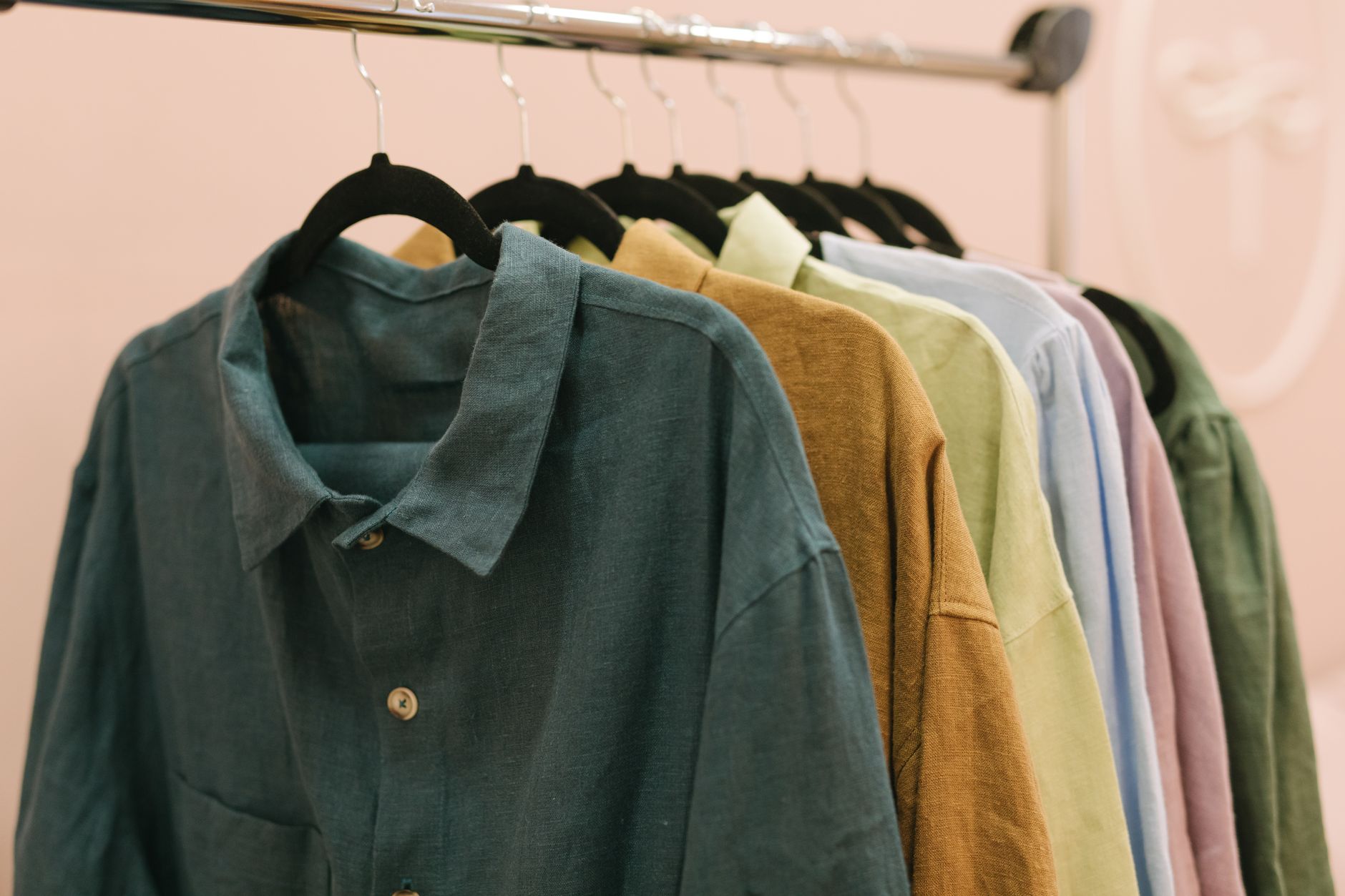
Our investigation points to encouraging shifts. Small workshops in Gauteng province have pioneered circular systems, relying on organic linen, recycled cotton threads, and vegetable-based dyes that minimize ground runoffs. Ethical certification bodies have recorded a notable jump in local sourcing declarations.
Key Structural Advancements Recorded This Year:
- Decentralized Production Hubs: Moving clothes creation closer to local distribution lines.
- Water Reclamation Upgrades: Treatment steps that loop process water back into dye cycles.
- True Living Wage Commitments: Securing proper, state-aligned remuneration terms for garment workers.
Ultimately, individual buyers hold the key to turning this temporary shift into a long-term industry structure. Opting for quality basics and verified South African brands ensures local capital circulates efficiently, while protecting fragile environmental ecosystems.
Want unbiased market investigations sent directly to your desk?
Support premium verified local journalism by selecting a secure subscription tier today.
Upgrade Subscription